Overview of Overwatch 2: Overwatch 2 – Team-based Hero Shooter With A Focus On Objectives.
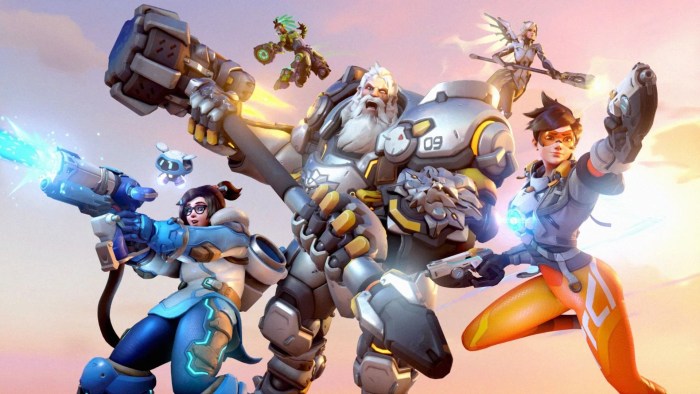
Overwatch 2 is a team-based hero shooter that builds upon the foundation laid by its predecessor, Overwatch. It introduces new gameplay mechanics, heroes, and maps while retaining the core elements that fans have come to love. The gameplay is centered around objectives that require strategic collaboration among players to achieve victory. The evolution from the original game highlights significant changes in gameplay, with an increased focus on cooperative play and character development.
The sequel takes the narrative of Overwatch further, diving deeper into the lore and relationships between heroes. Players can expect richer backstories and more engaging character arcs, enhancing their emotional investment in the game. The new PvE mode introduces cooperative missions that expand the Overwatch universe and allow players to engage with the story in a more interactive way.
Team-Based Mechanics
Teamwork and collaboration are paramount in Overwatch 2. Players must work together to make the most of their heroes’ abilities and ensure a balanced team composition. Each hero class—Damage, Tank, and Support—plays a crucial role in contributing to team dynamics. Damage heroes focus on eliminating enemies, Tanks absorb damage and protect teammates, while Support heroes heal and enhance the team’s capabilities.
To enhance team communication and coordination, strategies such as using voice chat, establishing roles before matches, and sharing information about enemy positions can be employed. Effective teamwork can turn the tide of battle, making it essential for players to interact and strategize continuously throughout the match.
Objective-Based Gameplay
Overwatch 2 features various game modes, each with specific objectives that players must prioritize. These modes include Escort, Control, and Hybrid, each demanding a different approach to victory. Players must focus on capturing points, escorting payloads, or defending objectives to secure wins.
To effectively prioritize objectives over kills, players can adopt strategies that emphasize teamwork over individual performance. This includes coordinating attacks on objectives, using hero abilities to clear enemy presence, and communicating effectively to ensure everyone is aligned on objectives.
| Map | Objective Type | Details |
|---|---|---|
| King’s Row | Hybrid | Attackers escort a payload while defenders aim to stop them. |
| Hanamura | Assault | Attackers must capture two points, while defenders fortify these positions. |
| Busan | Control | Teams fight for control of a single objective until one team reaches 100%. |
Hero Selection and Strategy
Selecting heroes in Overwatch 2 is crucial and should be based on team composition and the specific map being played. Understanding hero strengths and weaknesses can lead to a more cohesive team. For instance, a balanced team typically includes a mix of Damage, Tank, and Support heroes to cover all aspects of gameplay.
Strategies for countering enemy heroes involve analyzing their abilities and mechanics. For example, if the enemy team has a strong flanker, players may choose heroes with crowd control abilities or those that can defend against flanking attacks.
Popular hero synergies can greatly enhance team performance. For example, pairing a Tank like Reinhardt with a Damage hero like McCree can form a formidable front line that is difficult for opponents to breach.
Community and Competitive Play
The Overwatch 2 community is vibrant and diverse, filled with players who are passionate about the game. The culture surrounding Overwatch encourages cooperation, creativity, and competitive spirit. This community aspect fosters friendships and collaborations both in casual and competitive play.
Competitive play is essential in Overwatch 2, with a ranking system that allows players to track their progress and skill level. Engaging in competitive matches not only provides a sense of accomplishment but also offers a platform to improve gameplay through real-time experience against skilled opponents.
Resources for players looking to enhance their skills include community guides, streaming platforms where experienced players share their strategies, and forums where players discuss tactics and share their experiences.
Future Developments and Updates, Overwatch 2 – Team-based hero shooter with a focus on objectives.
Anticipated updates and expansions for Overwatch 2 are expected to bring new heroes, maps, and game modes, keeping the gameplay fresh and engaging. Blizzard has shown a commitment to evolving the game based on player feedback, leading to updates that refine balance and introduce new content.
Player feedback significantly impacts the game’s development trajectory. Community suggestions often lead to adjustments in hero abilities, map designs, and even new features that enhance the player’s experience.
A timeline of significant updates since the launch of Overwatch 2 showcases the game’s evolution. Each update brings new features, bug fixes, and balance changes, contributing to a continually improving gameplay experience.
Visual Design and Aesthetics
The visual design of Overwatch 2 is characterized by its vibrant art style that combines realism with a touch of comic book flair. This unique aesthetic sets the game apart and contributes to its charm, drawing players into its colorful world.
Character designs are inspired by various cultures and backgrounds, reflecting the diversity within the game’s universe. Each hero has a distinct look that complements their abilities and personality, making them memorable and relatable.
Map design plays a crucial role in enhancing the gameplay experience. Maps are intricately designed to offer strategic opportunities for players, with environmental features that can be utilized during combat. The attention to detail in both character and map design enriches the overall immersion and excitement of playing Overwatch 2.